
Climate change is not gender-neutral. Structural inequalities mean that women, particularly in rural contexts, are more exposed to its impacts, often bearing responsibility for food, water, and household wellbeing, holding entire communities together when environmental stress intensifies (United Nations, 2025). In moments of crisis, these roles only intensify, shaping daily life in ways that are rarely visible in global policy debates.
And yet, focusing only on vulnerability misses something essential.
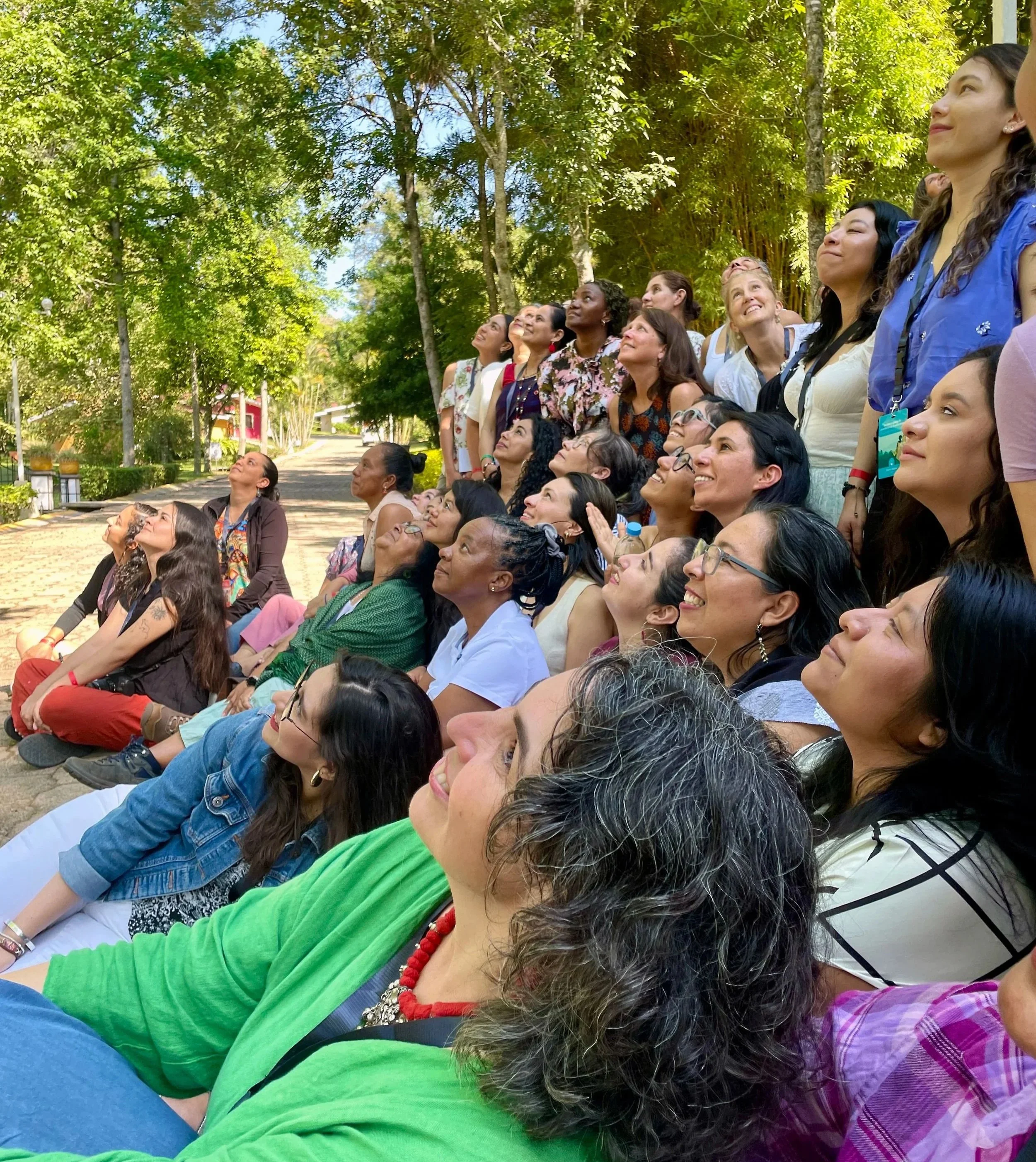
Across regions and cultures, women are stepping into leadership roles that are reshaping how climate action happens. Grounded in communities, relationships, and long-term resilience. Evidence shows that when women participate meaningfully in decision-making, climate strategies become more effective and sustainable (World Economic Forum, 2025; IFC, 2024).
You can see this in practice.
In Nepal, women are actively shaping agroforestry solutions to make flood-prone landscapes more resilient (IUCN, 2026). Across Africa, women’s groups are restoring degraded lands and strengthening livelihoods through regenerative practices (Greenpeace, 2025). In many parts of Latin America and Southeast Asia, Indigenous women are protecting forests and biodiversity while preserving vital ecological knowledge (What is Green Living, 2025).
These are not isolated stories, they reflect a broader pattern: solutions rooted in care, knowledge, and collective action.
At the global level, there is progress. Today, most national climate plans include references to gender, signaling growing recognition of its importance (UNFCCC, 2024). But recognition alone is not enough. Women still face persistent barriers to leadership, access to finance, and participation in climate governance (UN Women, 2025).
As we look toward the second half of the year, this moment invites us to move beyond acknowledging women’s role, and toward actively enabling it
Because when women lead, something shifts. Solutions become more grounded, and resilience becomes more collective. And when women’s voices shape decisions, climate action becomes not only more effective, but more enduring, and more deeply human.
References (in-text cited)
United Nations. 2025. Why Women Are Key to Climate Action.[un.org]
World Economic Forum. 2025. Why Gender-Responsive Climate Action is Critical.[weforum.org]
IFC. 2024. Gender-Responsive Climate Governance and the Role of Women Leaders.[ifc.org]
IUCN. 2026. Women Leading Nature-Based Climate Action.[iucn.org]
Greenpeace. 2025. Women Transforming Climate Challenges into Opportunities.[greenpeace.org]
How Women are Leading Community-Based Conservation Projects and Changing Outcomes for Wildlife [What is Green Living, 2025]
UNFCCC. 2024. Implementation of Gender-Responsive Climate Policies.[unfccc.int]
UN Women. 2025. Progress of the World’s Women (Fact Sheets).[unwomen.org]