WiNN BOTSWANA
The seeds for WiNN Botswana were planted at another gathering of women — the WildLabs Women Conserving Southern Africa Conference- a 2026 event that brought together women working across conservation in southern Africa. Once it was over, the event founder Emily Bennitt encouraged six conference participants from Botswana to create a WiNN chapter as way to continue the inspiring connection they experienced at the WildLab’s conference. “Being surrounded by so many passionate women, hearing their stories, experiences and perspectives, and seeing the diversity of work being done across Southern Africa was a powerful reminder of how important connection and representation are within the conservation community,” recalls founding Botswana chapter member Clarissa Schill. “Following the conference, the event’s founder, Emily Bennitt, encouraged us to consider creating a WiNN chapter in Botswana. Five women who had participated in the conference came together with a shared vision: to create a network that represents, celebrates and connects the women contributing to conservation across Botswana.”
WiNN Botswana members hope to create a space where women from across the country can support, and inspire each other while sharing knowledge and experiences and building meaningful professional and personal connections. Botswana is home to an extraordinary diversity of wildlife and ecosystems — as well as women working to protect these vital species and ecosystems in countless ways. Yet, their contributions are not always visible, and there are too few pathways for them to connect. “Ultimately, “ shares Clarissa, “we want the chapter to showcase the rich and diverse work of women in conservation in Botswana while helping to strengthen a community in which women can learn from one another and grow together.”
SPOTLIGHT:
WiNN BOTSWANA MEMBERS
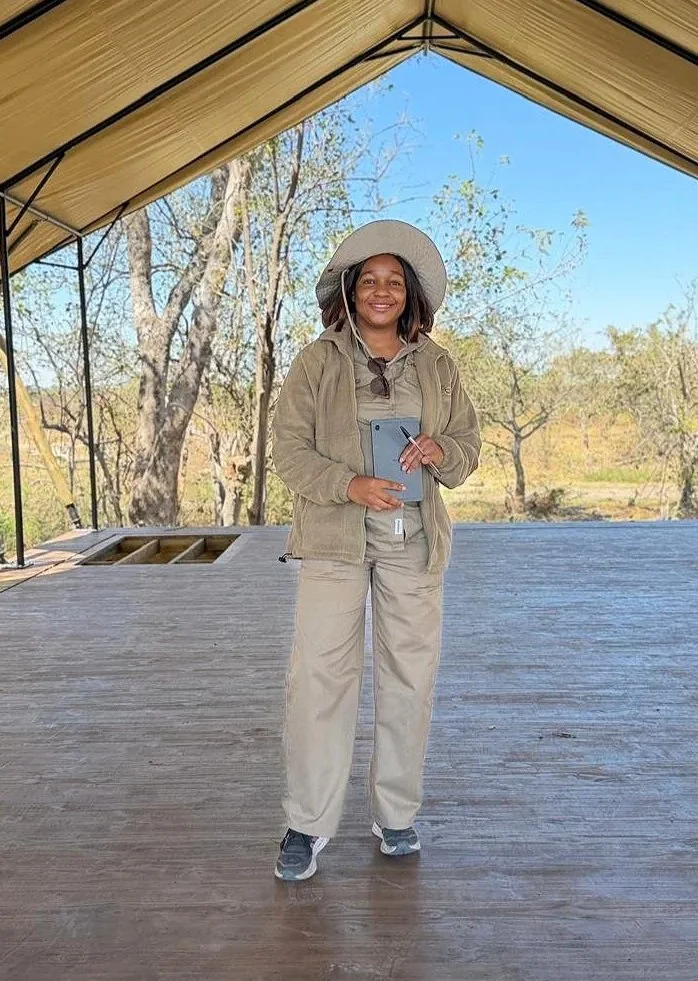
Atlasaone Kokwe is an Environmental officer in the tourism sector with passion for environmental compliance and quality monitoring. Her work focuses on ensuring that tourism operations meet national environmental standards, especially water usage, waste management and resource efficiency.
Atlasaone Kokwe
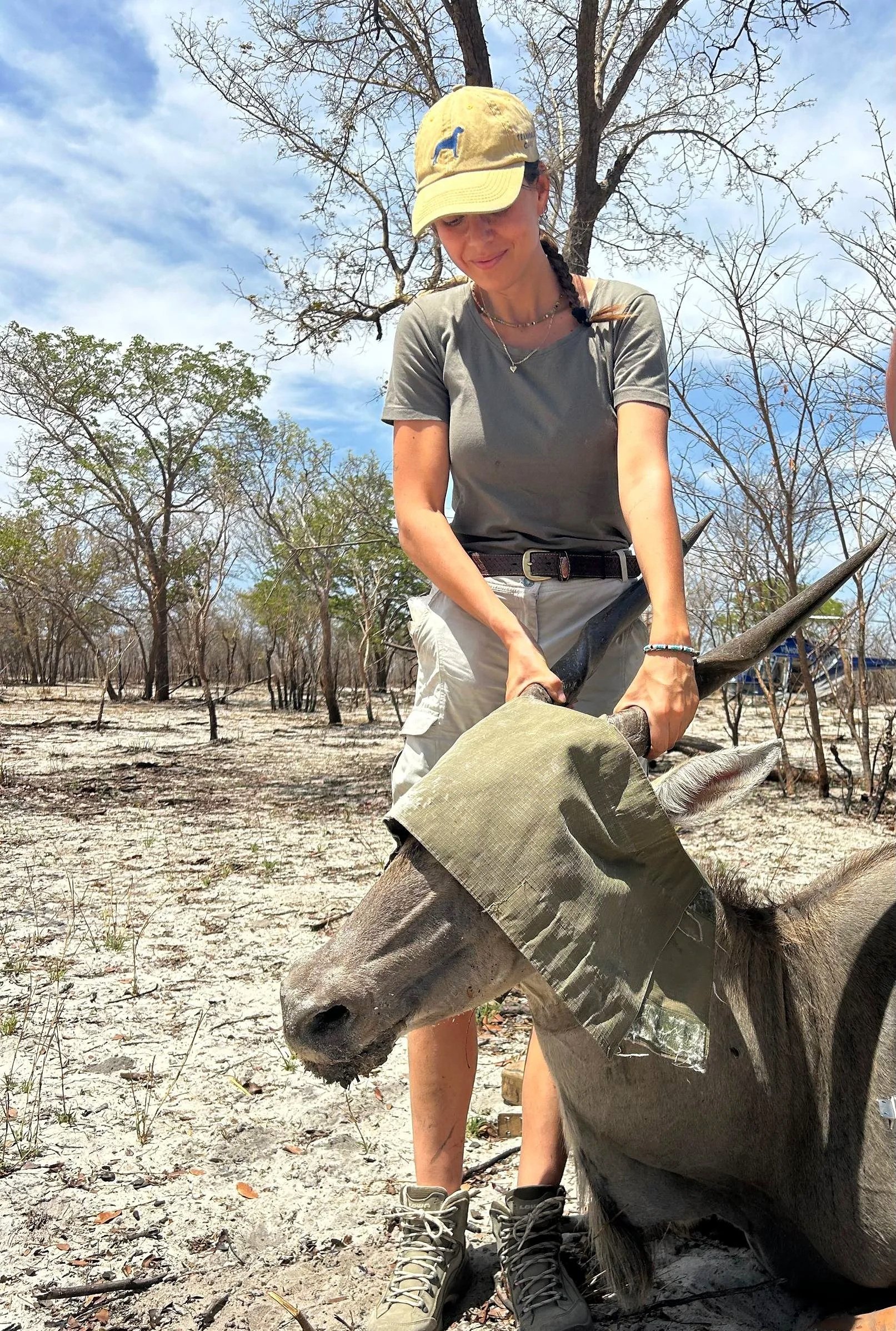
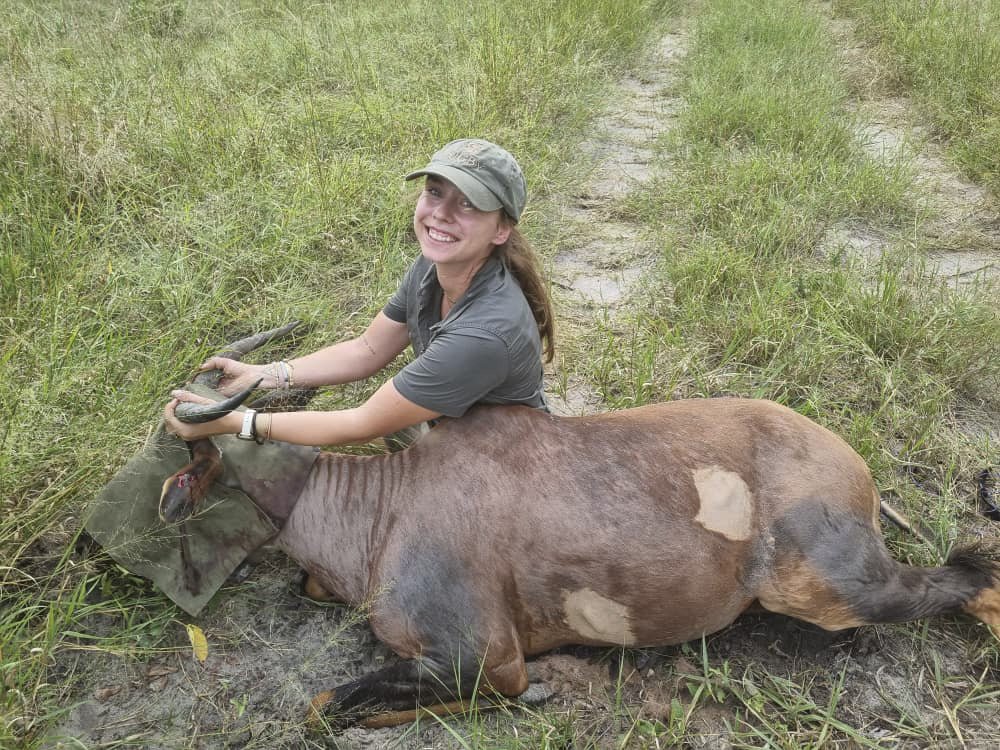
Clarissa Schill is a PhD candidate at the Okavango Research Institute (ORI), University of Botswana, working in wildlife ecology and conservation, with a particular focus on ungulates, animal movement, habitat use, and how wildlife responds to anthropogenic stressors and changing landscapes.
Clarissa Schill
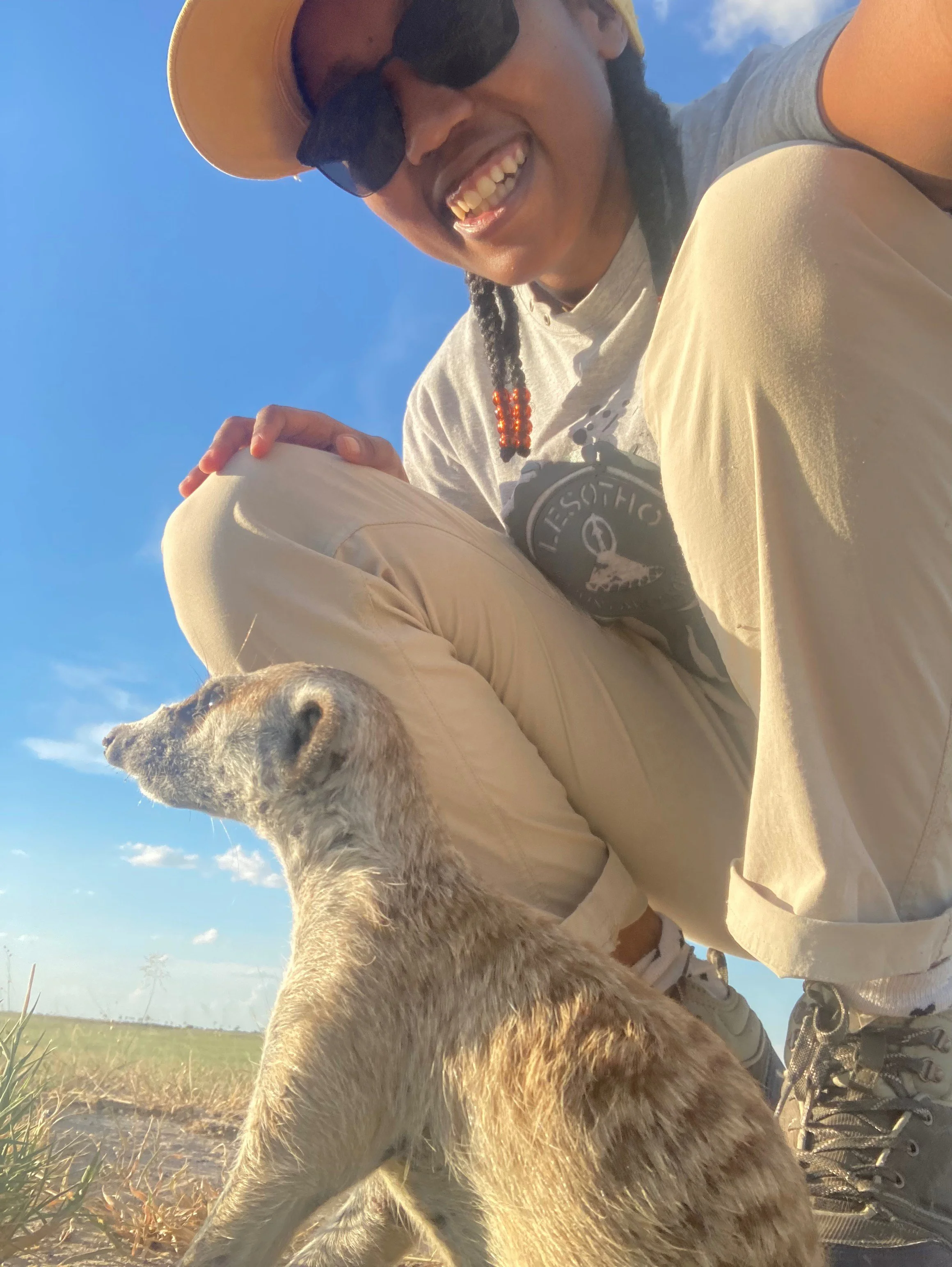
Tshepiso Lesedi Majelantle is a postdoctoral research fellow at the Okavango Research Institute, Botswana who is deeply passionate about animal behavior and physiology, and how we can use these to understand animal responses to the environment in a changing world.
Tshepiso Lesedi Majelantle
Tuduetso Mandy Apadile is an Environmental Officer with a passion for sustainability, conservation and responsible tourism in Botswana. Her work focuses on environmental management within the tourism sector, with emphasis on waste management, resource efficiency, and water stewardship.
Tuduetso Mandy Apadile
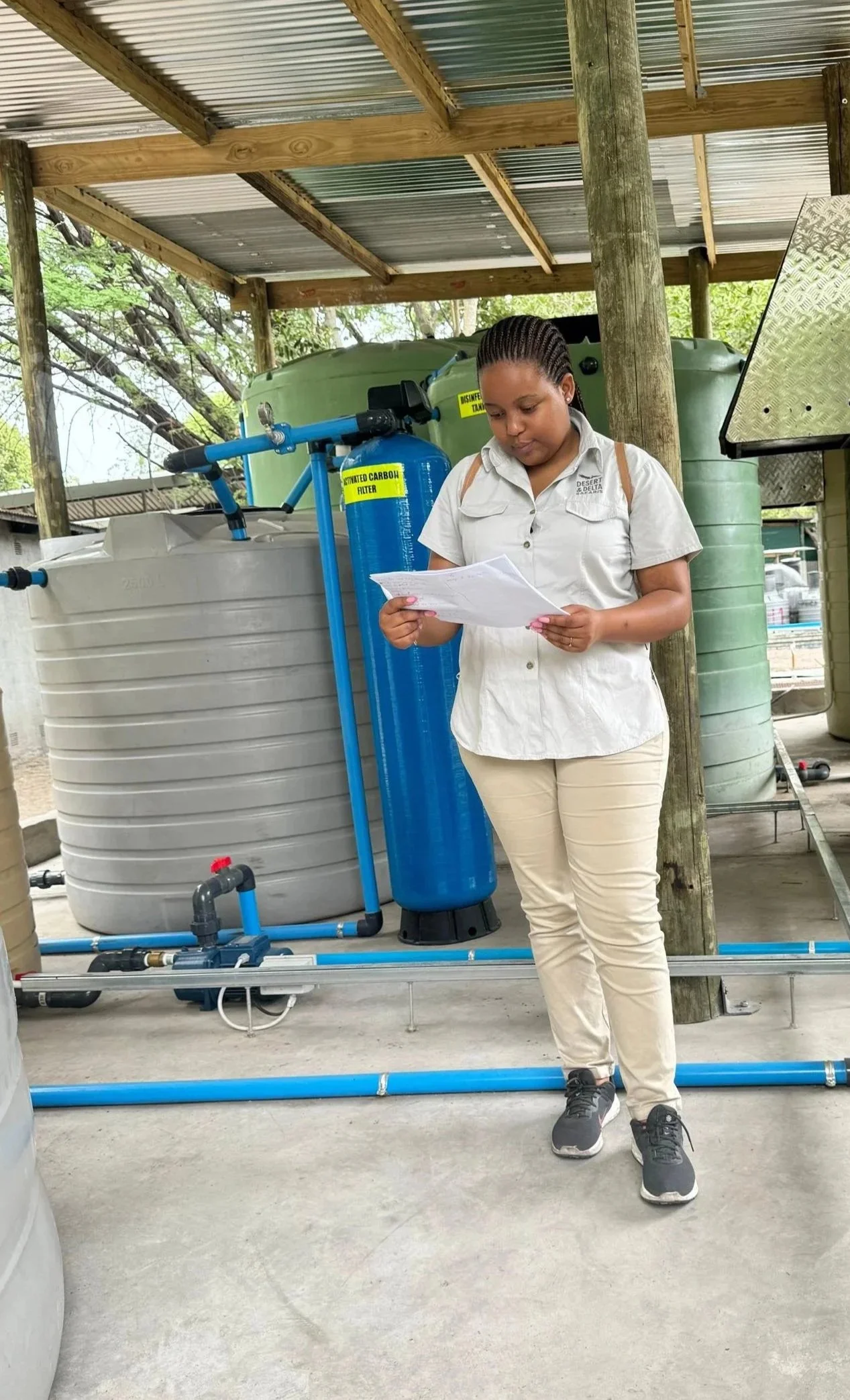
Antoinette Moleele is a climate change practitioner specializing in climate resilience, sustainable food systems, and environmental sustainability, with a strong focus on youth, gender equity, and marginalized communities. She holds a Master’s of Science in managing Science-Policy-Practice interfaces in biodiversity, ecosystem services and climate change.
Antoinette Moleele
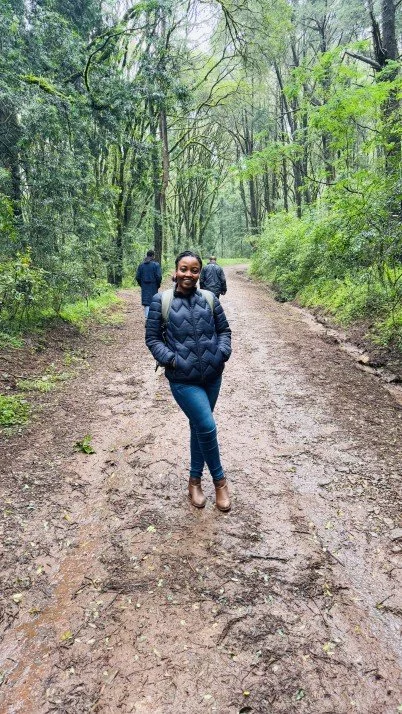
Louisa April is a strategic communications and sustainability professional, creative, and storyteller passionate about using the power of ideas, storytelling and connection to create positive change. She has a Master’s in Sustainable Business and Innovation and experience spanning communications, branding, climate action and social impact, she brings a creative lens to conversations around sustainability and conservation.
Louisa April
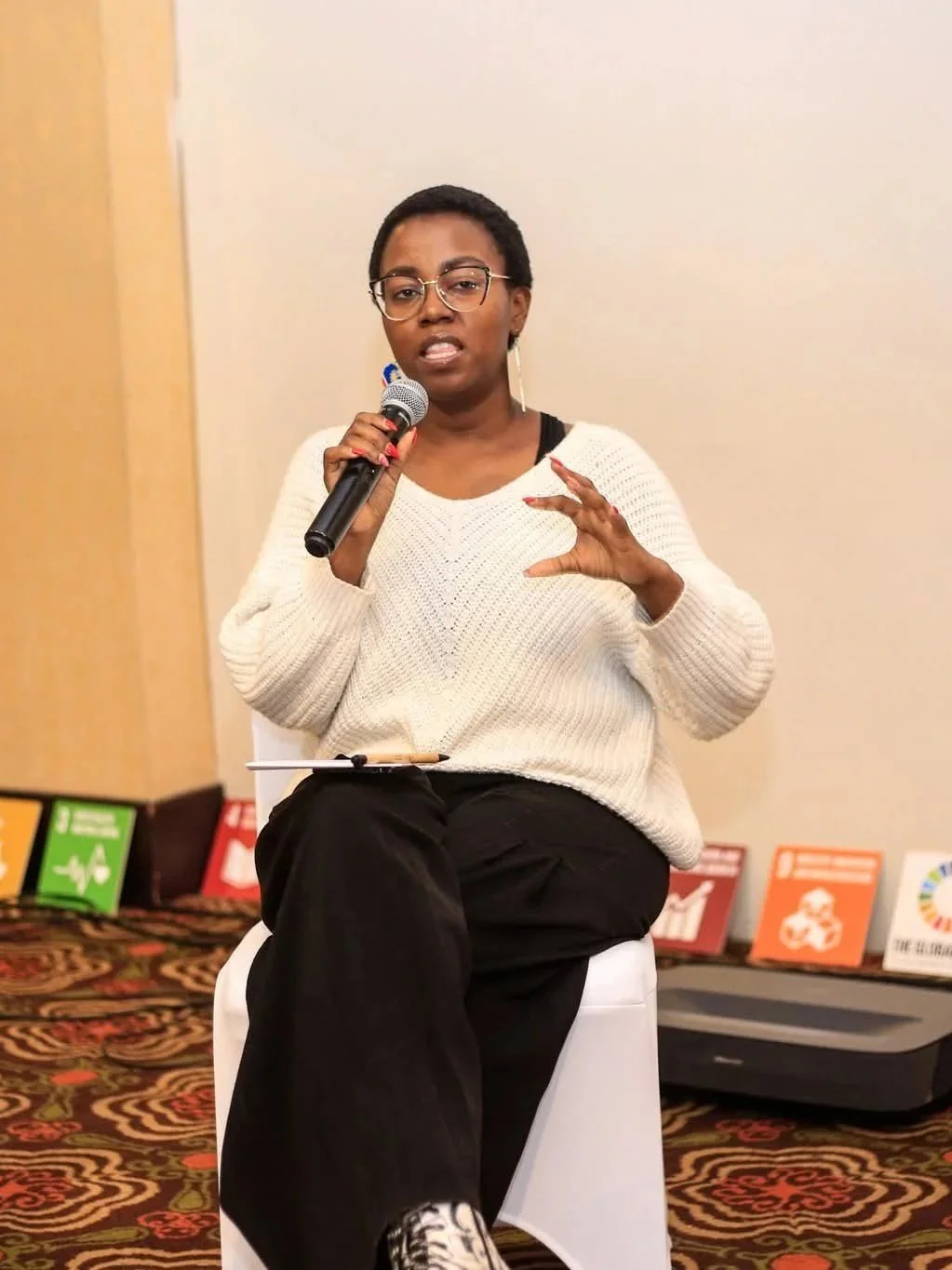
Zarah Schwan is a PhD candidate at the Okavango Research Institute, University of Botswana, in Maun. Her research examines how ungulates adjust their fine-scale behaviour, daily movement, and activity patterns in response to changing environmental conditions. Importantly, she links these behavioural responses to physiological parameters, such as body temperature.
Zarah Schwan